
BUYERS GUIDE
HOW TO BUY A WALK IN ENVIRONMENTAL TEST CHAMBER
A guide on the decisions, specifications and questions you need before you purchase a walk in room.
Identifying your walk-in need
Walk-in environmental test chambers are large-scale, climate-controlled rooms built to subject products, components, or materials to precisely controlled conditions, typically temperature, humidity, or both. The decision to pursue a walk-in rather than a floor-model or benchtop chamber usually comes down to one or more of the following drivers. Understanding which applies to your situation is the first step toward a useful specification.
Product Size or Shape
The most straightforward reason to choose a walk-in is that the product simply does not fit inside a standard chamber. Large assemblies like vehicle components, HVAC systems, server racks, and aerospace structures require interior dimensions that no traditional reach-in model can provide. This is especially true when you account for the airflow ratio: industry practice calls for the product to occupy no more than one-third of the chamber's interior volume, which means the room needs to be roughly three times the product's size.
Batch Volume
Some applications do not involve a single large product but rather a very large quantity of smaller ones. Testing thousands of consumer electronics, pharmaceutical packages, or battery cells simultaneously is far more efficient in a walk-in than cycling them through a floor model in groups. If throughput is the primary constraint, the walk-in is serving as a high-capacity conditioning room rather than a precision single-product test fixture — and the specification should reflect that.
In-Person Observation or Interaction
Certain test protocols require an engineer to be physically present with the product during conditioning — to make adjustments, record observations, or respond to real-time behavior. That is only possible in a walk-in or drive-in room. If your testing involves personnel inside the chamber, this introduces specific requirements around air quality, safety systems, and environmental controls that must be addressed in the specification (see the Safety Features section).
Controlled Workspace
Not every walk-in is purchased for performance testing. Stability rooms — used in pharmaceutical, biotech, and food and beverage industries are walk-in chambers designed to hold precise, steady conditions for extended periods. A dedicated stability room for drug product storage, a controlled-humidity area for packaging development, or a clean room environment for sensitive R&D work are all walk-in applications where the room itself is the controlled asset, not just the equipment inside it.
Testing Purpose: Performance vs. Stability
Once you have identified the primary driver, the next question is what type of conditioning the chamber needs to perform.
Performance testing (dynamic or cycling testing) involves actively ramping a product through temperature and humidity extremes, often rapidly. This includes accelerated life testing (ALT), highly accelerated life testing (HALT), highly accelerated stress screening (HASS), and thermal cycling protocols. Performance chambers require powerful refrigeration and heating systems capable of fast, controlled temperature change rates.
Stability testing involves holding a product at a steady, precisely maintained condition for an extended period — days, weeks, or months. Regulatory agencies such as the FDA and ICH set specific requirements for pharmaceutical and biotech stability studies, including allowable tolerances and documentation standards. Stability chambers prioritize setpoint accuracy and long-term consistency over cycling speed.
The two types are not interchangeable. A stability room running constant 25°C/60% RH is not designed to cycle from −40°C to +85°C. Getting this distinction right early shapes nearly every downstream specification decision.
Applicable Standards
Many industries have specific test standards that dictate the exact conditions, tolerances, and cycle profiles your chamber must meet. Common examples include:
-
MIL-STD-810 for military and defense components
-
IEC 60068 for electronic equipment
-
ICH Q1A for pharmaceutical stability studies
-
ASTM and ISO standards for materials and packaging
Identify the standards that govern your products or your customers' expectations before specifying a chamber. These standards define your required temperature range, humidity range, ramp rates, soak times, and allowable tolerances — which in turn drive nearly every hardware decision.
Choosing the Right Size
Walk-in chambers are always custom-built to your needs. There is no standard catalog size. In most cases, the specification process starts with a simple question from the manufacturer: What size are you thinking? From there, engineering works backward to validate whether that size supports your testing requirements.
Choosing the right interior volume requires balancing three factors:
1. Product Volume Ratio
For most conditioning tests, a general rule of thumb is to maintain roughly a 50/50 balance between product and open workspace. This ensures conditioned air can circulate freely around every surface of the device under test (DUT) without being restricted by overcrowding.
This is a starting point, not a strict rule. Products with high live loads (such as powered electronics or batteries under cycling) may require more open space to manage heat dissipation. Conversely, products with open structures or internal airflow may allow for denser loading. Always review your specific DUT characteristics with the manufacturer.
2. Live Load (Dynamic Load)
If your product is powered during testing, it generates heat that the chamber must remove. This live load, also known as dyanmic load, measured in watts or kilowatts, can significantly impact system sizing.
A chamber sized only by physical dimensions may be underspecified if live load is ignored. Always provide the maximum heat output expected during operation so the refrigeration system can be properly designed.
3. Access and Loading
Consider how products will move in and out of the chamber. Standard doors work for carts and manual loading, while larger equipment may require oversized doors, ramps, or drive-in access.
For frequent or heavy loading, a recessed (pit) floor can eliminate the step into the chamber, improving ergonomics and protecting both the floor system and test articles.
Construction Type
Walk-in chambers are built using one of three primary construction methods. Each has distinct trade-offs in cost, installation complexity, performance ceiling, and flexibility. The required temperature and humidity ranges will determine the type of walk-in room you will have.
Panel (Modular) Construction
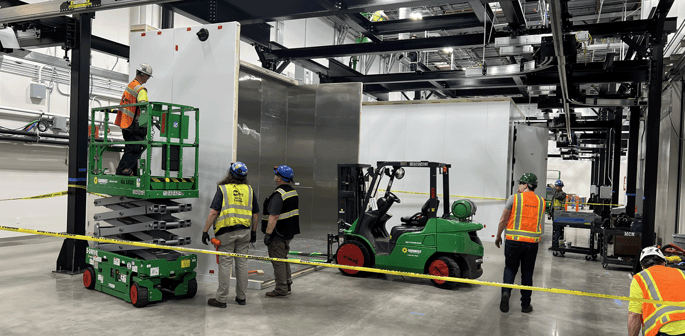
Panelized walk-ins are assembled on-site from interlocking insulated panels, typically stainless steel panels, that fit through standard doorways and are sealed together with structural silicone. A separate conditioning unit (containing the refrigeration, heating, and humidity systems) mounts to a wall panel or is mounted externally. Performance-oriented walk-ins often use mechanical conditioning units with roll-up or packaged systems, which can generate significant noise. In these cases, the machine pack can be located in a separate mechanical room to reduce noise in the testing environment and improve operator comfort.
Panel construction is the most common choice for new walk-in chambers. It is cost-effective, relocatable, and scalable. Panels can be disassembled, moved to a new facility, and reassembled if operational needs change. Standard panel systems support temperatures from roughly −65°C to +85°C with relative humidity up to 85%. Higher-temperature performance (up to 150°C) is available in specialized panel configurations.
Structural (Permanent) Construction
Structural walk-ins use conventional construction materials, framed walls, spray foam or rigid insulation, and vapor barriers built into the facility itself. This approach is appropriate when the chamber is a permanent fixture of the building, when interior dimensions exceed what modular panels can reasonably achieve, or when the application demands a higher performance envelope than panels can support.
Structural builds typically require more construction lead time and cannot be relocated. They are generally specified for very large rooms (drive-in chambers for multiple vehicles, large aerospace test rooms) or for environments with extreme conditions.
Field-Build
Field-built chambers are delivered as components and fully assembled on-site by the manufacturer. All materials are drop-shipped to the facility, and the final structure is assembled on-site. This can be appropriate for unusually shaped spaces or retrofit installations where neither standard panels nor full construction is practical.
Temperature Performance
Define your required temperature range as specifically as possible. The low-temperature limit drives compressor selection more than any other single specification.
Single-stage compressor systems are standard for chambers that need to reach approximately −37°C (−34.6°F). They are adequate for most commercial and many military test standards.
Cascade (two-stage) refrigeration systems are required for temperatures below −40°C. Cascade systems use two separate refrigerant circuits in series; the first stage pre-cools the refrigerant to an intermediate temperature, then the second stage takes it down to the final setpoint. This allows reliable operation to −70°C or −80°C and reduces mechanical stress compared to driving a single compressor to extreme low temperatures.
LN2 and CO2 boost systems can supplement mechanical refrigeration for very rapid pull-down or for reaching cryogenic temperatures. Liquid nitrogen (LN2) can drive chamber temperatures to approximately −185°C; CO2 boost typically reaches −70°C to −80°C. Both systems inject liquid gas into the conditioned airstream, where it evaporates and absorbs heat rapidly. Important: any chamber using LN2 or CO2 must be located in a well-ventilated room or have dedicated exhaust to the exterior, as oxygen displacement is a serious safety hazard.
Temperature Change Rate
If your testing protocol requires rapid thermal cycling, specify your required ramp rate explicitly, typically expressed in degrees per minute (°C/min). Ramp rate is influenced by workspace volume, ambient room temperature, live load, refrigeration capacity, and airflow design. Faster ramp rates require more powerful mechanical systems and typically increase capital cost. Do not assume a chamber's advertised pull-down rate applies to your specific load conditions. ask the manufacturer to model it with your actual DUT mass and live load.
Air-Cooled vs. Water-Cooled Condensers
Conditioning units can be air-cooled (rejecting heat into the surrounding room) or water-cooled (rejecting heat through a facility's chilled-water loop). Water-cooled systems offer faster pull-down times, lower heat rejection into the lab space, and a smaller equipment footprint. Air-cooled systems are simpler to install and require no facility water connection, but they generate significant heat that the room's HVAC must handle. For large walk-in chambers or any installation where heat rejection is a concern, water-cooled condensers are often the better choice.
Humidity Systems
Not every walk-in application requires humidity control. Temperature-only chambers are simpler and less expensive to purchase and maintain. If your test standards or product requirements call for controlled humidity, however, there are several system types to understand.
Vapor Generation
The most common humidity system in performance walk-ins uses an electrically heated steam generator (vapor generator) to introduce moisture into the conditioned airstream. Multiple smaller generators offer finer control than a single large unit. Vapor systems require conditioned water — water within a specific range of dissolved solids and mineral content. Tap water is almost never suitable without treatment. Deionized or demineralized water is typically required; your manufacturer will specify acceptable water quality parameters.
Humidity Range
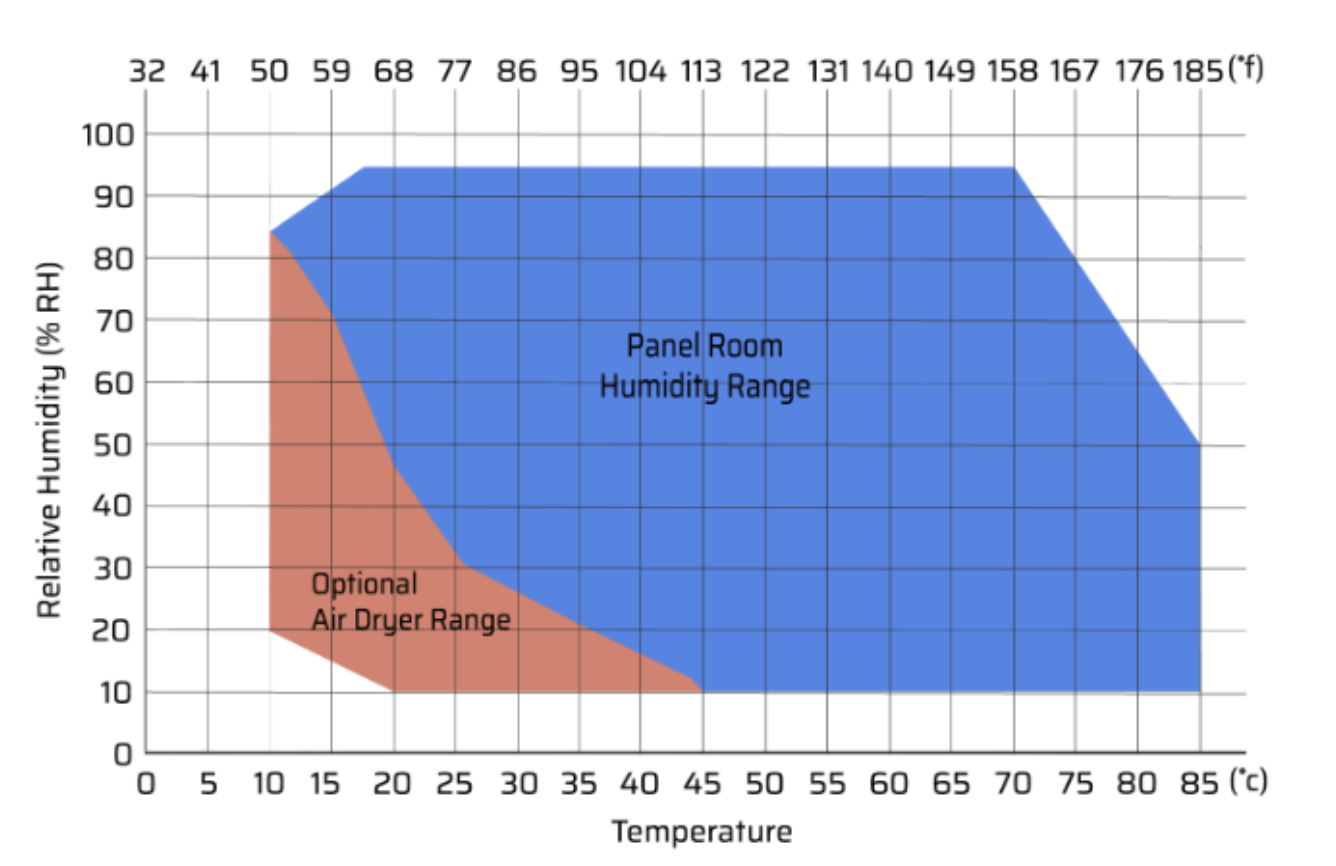
Standard humidity systems operate from approximately 10% to 95% relative humidity (RH), with ±2% RH accuracy at the sensor. Extending below 10% RH requires additional desiccant drying or dry-air purge systems. Achieving humidity above 95% RH requires heated sensors. This is especially custom for walk in rooms. check out the chart to the left for common humidity RH for walk-in room applications.
Low Humidity Systems
For applications requiring very dry conditions, desiccant air dryers or dry nitrogen (GN2) purge systems can lower RH well below what standard refrigeration evaporators can achieve. Each method has different facility requirements and maintenance considerations; review both with your manufacturer before specifying.
Water Quality and Maintenance
Any system that introduces water to a mechanical system requires ongoing maintenance. Incorrect water quality, whether too mineral-rich or too pure,will corrode internal components over time, often invisibly until significant damage has occurred. Have your facility water tested by a qualified laboratory before installation, and work with your manufacturer to specify the appropriate filtration or treatment system.
Airflow and Conditioning
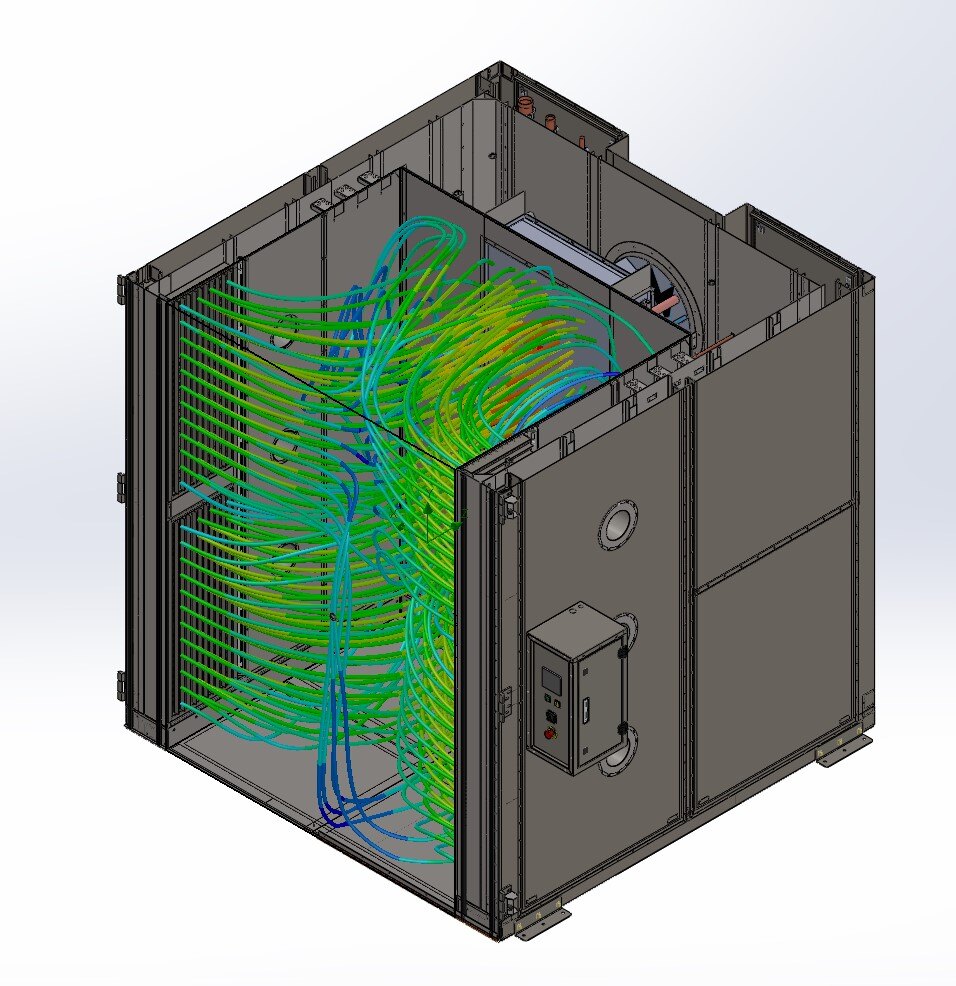
Uniform airflow throughout the workspace is essential to accurate environmental testing. A chamber that reaches the correct temperature at the sensor but has cold and warm zones within the room is not performing correctly.
Walk-in chambers use forced-air circulation systems — typically heavy-duty external motors driving internal fans — to move conditioned air through the workspace via a plenum. The plenum can be located internally or externally, with horizontal, vertical, or combination airflow patterns depending on the product arrangement.
When loading the chamber, center products within the room and distribute them to allow air to circulate freely around all surfaces. Adjustable shelving and product spacing are important for multi-unit batch testing. Share your loading plan with the manufacturer during the design phase so the airflow system can be configured accordingly
Facility and Site Requirements
Walk-in chambers are significant facility commitments. Before finalizing a purchase, evaluate not just where the chamber will sit—but how it will interact with your building’s structure, utilities, and HVAC systems.
Floor Load
Walk-in chambers, their conditioning units, and the products inside them can impose substantial floor loads. Confirm that your facility's floor can support the combined weight before selecting a location—especially for large chambers or high live-load applications.
Ceiling Height and Unit Placement
The conditioning unit (machine pack) can be mounted on the back of the chamber, on top, or located remotely. Each configuration has different clearance requirements. Confirm minimum clear height early in the design phase, particularly if overhead installation is being considered.
Facility Footprint and Layout
Evaluate your available footprint beyond just the chamber dimensions. You will need space for:
- The chamber itself
- The conditioning unit (if external)
- Required service clearance
Also consider how the chamber will be accessed for installation and whether it can physically fit through doorways, hallways, or loading docks during delivery.
Electrical Supply
Walk-in chambers require dedicated electrical circuits. Power requirements vary widely—from single-phase 208V to three-phase 480V—depending on size and performance.
Coordinate with a licensed electrician early. If other large equipment shares the same panel, confirm that total demand will not exceed available capacity.
Plumbing
Humidity-equipped chambers require a conditioned water supply and drain. Water-cooled systems require access to a chilled-water loop.
Plan these connections in advance—retrofitting plumbing after installation can significantly increase project cost and complexity.
Ventilation and Heat Rejection
Chambers using LN2 or CO2—or testing products that off-gas—require dedicated exhaust ventilation to the exterior.
Even without gas systems, all chambers reject heat. Air-cooled systems discharge that heat into the room, which can impact ambient conditions. Ensure your facility HVAC system has enough capacity to maintain stable room temperature under load.
Facility HVAC Capacity (Often Overlooked)
One of the most common issues in walk-in installations is insufficient building HVAC. If the room housing the chamber cannot dissipate the added heat load, both chamber performance and operator comfort may suffer.
Evaluate whether your facility has adequate heating and cooling capacity to support continuous operation.
Clearance for Service
Allow at least three feet (approximately one meter) of clearance around the conditioning unit for maintenance access. This is non-negotiable—routine service, calibration, and repairs depend on it.
Controls and Data Collection
Modern walk-in chambers are controlled by programmable, microprocessor-based digital controllers. At a minimum, the controller should provide:
• Real-time display of actual conditions and setpoints
• Programmable multi-ramp, multi-soak profiles
• High and low temperature and humidity alarms with audible and remote notification
• Data logging with time-stamped records of all measured parameters
• USB or network connectivity for profile transfer and data export
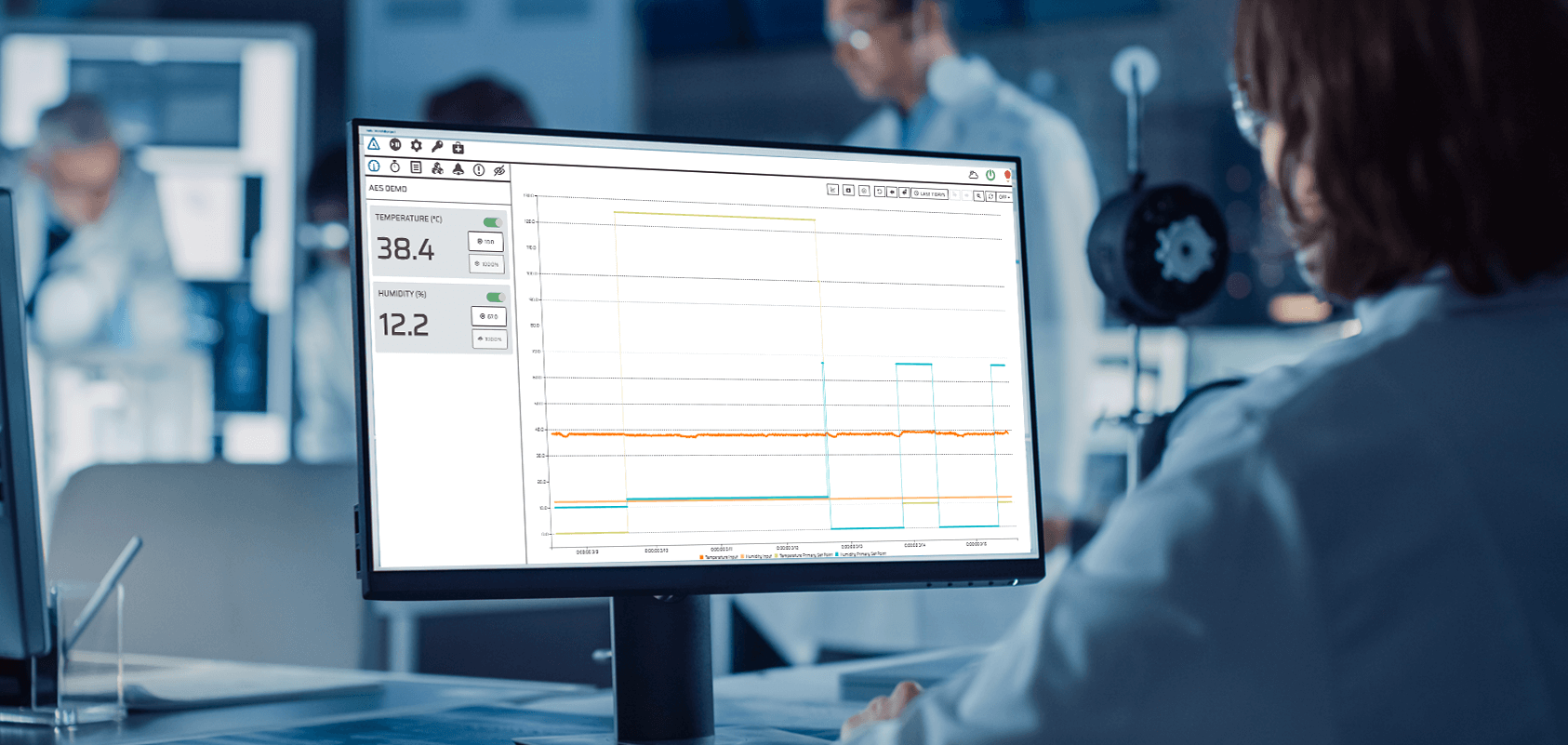
For operations where multiple users, multiple chambers, or remote monitoring are involved, look for network-based control platforms that allow access from desktop, tablet, or mobile interfaces. Features like multi-level user access, real-time remote monitoring, and cloud or server-based data storage are increasingly standard and reduce the risk of data loss.
Consider how your data will be used downstream, whether for internal quality records, regulatory submissions, or customer documentation, and ensure the controller’s output format is compatible with your existing systems.
AES also offers a remote monitoring and control solution through AESONE CONNECT, giving users the ability to monitor chamber performance and status from virtually anywhere. Whether at the chamber, in the office, or off-site, users can easily start or stop profiles, view real-time conditions, receive alerts, and access chamber data from desktop, laptop, or tablet devices, helping teams stay connected to testing without being tied to the lab floor.
Safety Features
Walk-in chambers present risks that standard benchtop chambers do not, primarily because personnel may enter them during operation. Specify safety features explicitly.
High-temperature failsafes: Digital and mechanical over-temperature limiters should be independent of the primary controller. If the primary control system fails, the failsafe system should shut down the heaters independently.
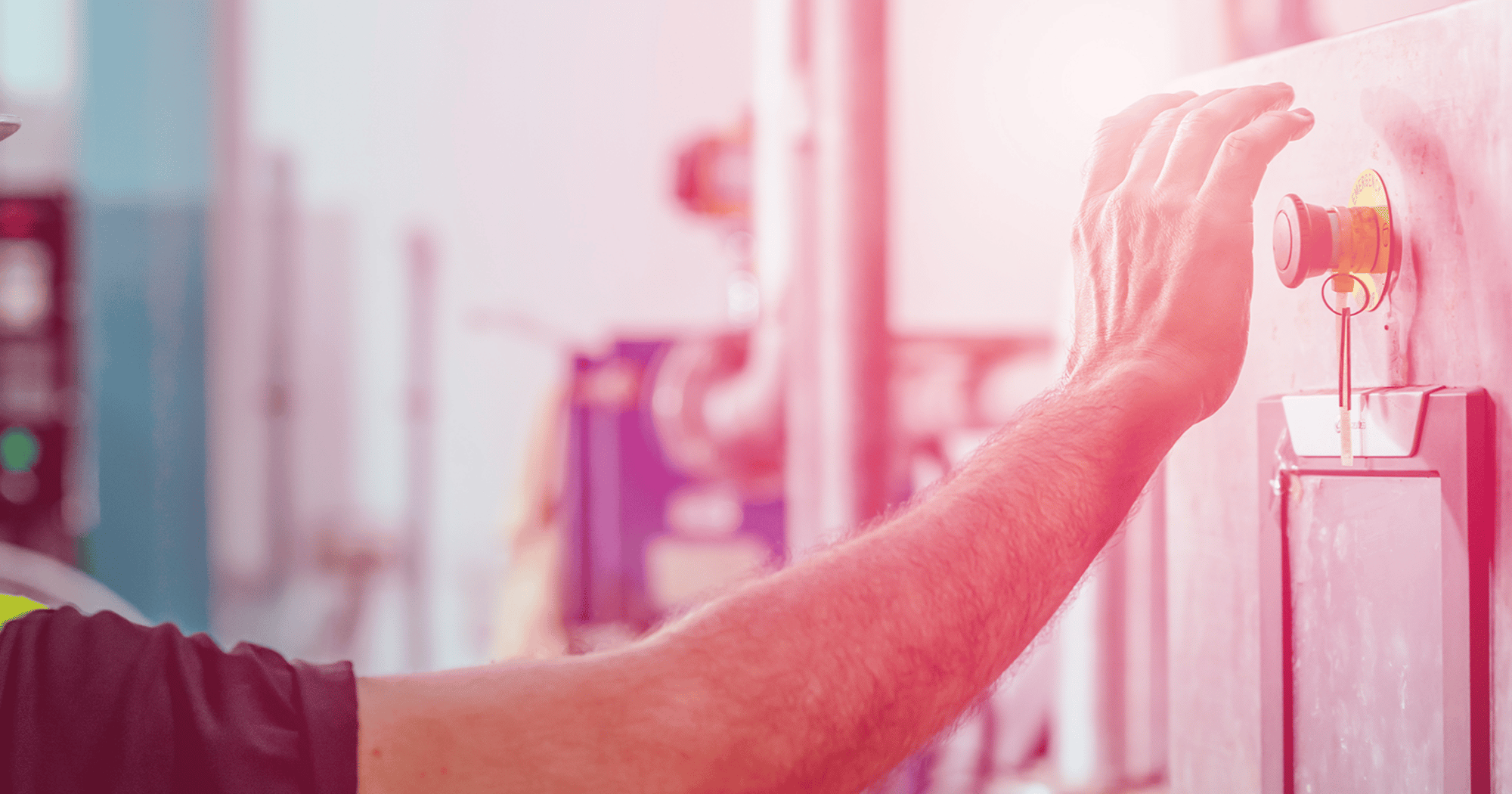
Emergency stop (E-stop): A clearly labeled, externally accessible emergency shutoff is essential. For chambers where personnel may enter during operation, an interior E-stop or door release is also required.
Interior door release: Walk-in chambers must include a mechanism allowing anyone inside to open the door from within at all times, regardless of chamber conditions or power status.
Alarm systems: High and low temperature alarms, loss-of-power alarms, and refrigerant leak detection should all be specified. Remote notification (email, SMS, or integration with a building management system) ensures that off-hours excursions are caught quickly.
Ventilation interlocks: For chambers using LN2, CO2, or testing products that may off-gas chemicals, oxygen depletion monitors and ventilation interlocks are critical safety requirements.
Total Cost of Ownership
The purchase price of a walk-in chamber is only one part of the investment. Long-term cost is driven by installation, operation, and ongoing maintenance.
Installation requirements vary by construction type and may include electrical work, plumbing, and ventilation modifications. Energy consumption should also be considered, as larger chambers and more demanding performance specifications increase operating costs. For many applications, water-cooled systems offer greater efficiency than air-cooled alternatives.
Ongoing maintenance is critical to long-term reliability. Preventive service, including routine inspections, calibration, and refrigerant checks, helps protect the system and extend its lifespan. Well-maintained chambers can operate effectively for 15 years or more.
In regulated industries, periodic third-party calibration may also be required to maintain compliance. These costs should be accounted for early in the planning process.
Choosing a Manufacturer and Service Partner
Walk in chambers are a critical investment in your lab’s testing capabilities, reliability, and long term performance. While many manufacturers can build a chamber, the right partner will help ensure the system is properly designed for your specific application, facility, and future growth.
Choosing a manufacturer should go beyond comparing specifications on a datasheet. A knowledgeable partner will take the time to understand your testing requirements, evaluate live load and airflow considerations, and recommend the right chamber configuration, controls, and construction approach for your environment. Experience matters, especially when projects involve custom requirements, demanding test profiles, or complex installations.
Long term support is equally important. Service response, replacement part availability, calibration capabilities, and technical expertise all play a major role in maximizing uptime and protecting your investment over the life of the chamber.
With decades of experience and thousands of installations across industries, AES delivers more than walk in chambers. We provide complete environmental testing solutions designed around the needs of modern labs and testing programs. From custom engineering and advanced controls to nationwide service support and remote monitoring capabilities, AES helps customers move from specification to successful long term operation with confidence.
.jpg?width=1000&height=626&name=test%20chamber%20service%20(1).jpg "test chamber service (1)")