
Environmental Chamber Calibration Services
Associated Environmental Systems Calibrates All Environmental Test Chambers Regardless of the Manufacturer.
Decades of Industry Experience. Lifetime AES Support. Servicing All Chambers, Any Brand.
Test Chamber Calibrations
Your environmental test chamber is a long-term investment—and like any high-performance equipment, it needs expert care to continue operating at its best. Regular calibration ensures that your chamber maintains accuracy, consistency, and compliance with industry standards over time.
At AES, we offer comprehensive environmental test chamber services performed by experienced technicians who understand the intricacies of environmental testing. Whether it's part of your routine maintenance plan or a requirement for keeping up with industry standards, our calibration services help protect your test data, reduce downtime, and extend the overall life of your chamber.
What Is Environmental Chamber Calibration?
Environmental chamber calibration is the process of verifying that your chamber's temperature, humidity, and control system readings match known traceable standards. Over time, sensors drift and components wear down. Without regular calibration, your chamber may display readings that no longer reflect actual conditions inside the workspace.
During the calibration process, a technician:
- Places certified reference instruments — such as thermocouples, RTDs, or calibrated hygrometers — at strategic points inside the chamber
- Runs the chamber through specific setpoints while comparing controller readings to the reference instruments
- Documents any deviations and adjusts the system or recommends corrective action if readings fall outside acceptable tolerances
The result is a calibration certificate that documents as-found and as-left readings, confirms traceability, and gives you the data you need to satisfy audit requirements and regulatory compliance obligations.
What Types of Calibrations Does AES Offer?
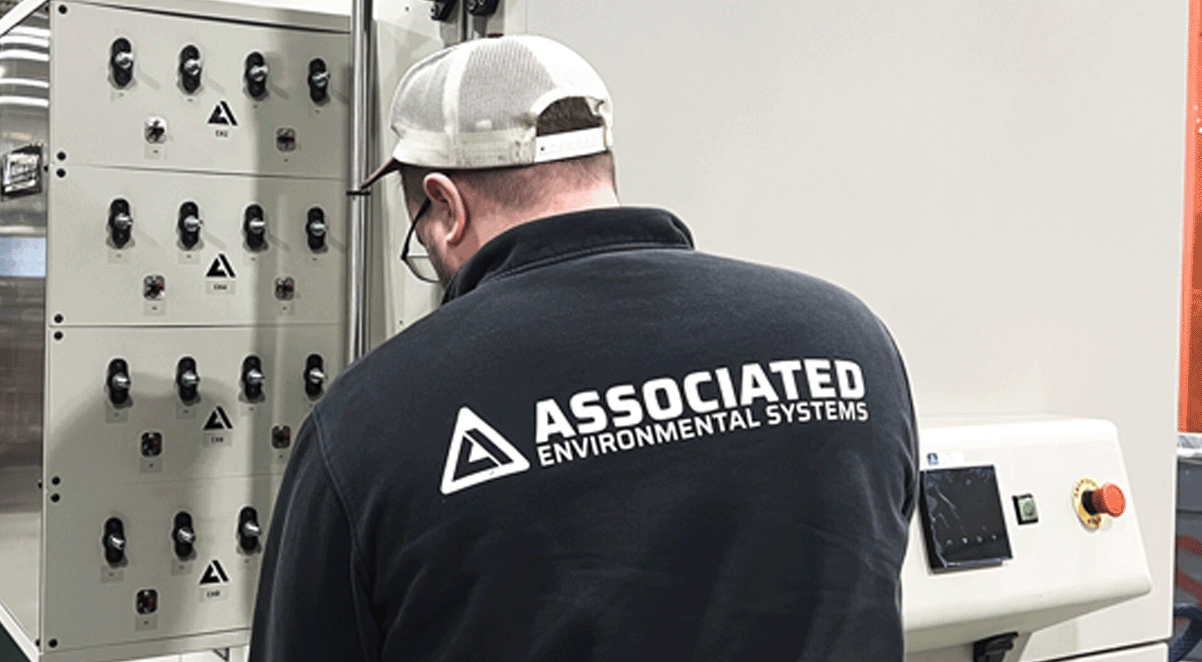
AES offers a range of ISO/IEC 17025 accredited calibration services to ensure your test chambers perform with precision and reliability. Our calibration offerings include:
-
ISO/IEC 17025 Accredited Controller Calibrations
Verifying and calibrating the chamber controller to meet strict accuracy standards. -
ISO/IEC 17025 Accredited Single Point Calibration
A calibration at one temperature setpoint, ideal for routine verification or specific test conditions. -
ISO/IEC 17025 Accredited 9 Point Calibration and Uniformity Analysis
Comprehensive calibration across nine temperature points, providing a detailed performance profile of your chamber. -
Temperature Gradient Checks
Evaluation of temperature uniformity across the chamber workspace to ensure consistent environmental conditions.
All calibrations are performed using A2LA accredited equipment and documented to meet quality system requirements. View our scope of accreditation.
Instruments & Sensor Calibrations
In addition to environmental chamber calibrations, AES now offers sensor and instrument calibration services from our new calibration lab, providing a single trusted partner for your temperature calibration needs.
Calibration capabilities include:
- Thermocouples
- RTD Sensors
- Digital Thermometers
- Dry Wells
- Microwells
- Temperature Measurement Instruments
- Temperature probes and sensors
- Temperature Transducers
Our capabilities list is always growing, reach out if you have a particular calibration need.
The Environmental Chamber Calibration Procedure
A proper environmental chamber calibration procedure follows a structured sequence to ensure repeatable, defensible results. Here is what the process looks like when AES performs a calibration.
- Preparation. The technician selects NIST-traceable reference instruments appropriate for the chamber's operating range. This includes calibrated thermocouples, RTDs, or humidity sensors, depending on the scope of work.
- Probe placement. Reference sensors go at defined positions throughout the chamber workspace. For a standard uniformity test, this follows a 9-point mapping grid across three height levels and three horizontal positions. Walk-in test chamber uniformity surveys may require 15 or more measurement points to account for the larger workspace and varied airflow paths.
- Stabilization. The chamber runs at each target setpoint until conditions stabilize. This typically takes 30 to 60 minutes per setpoint, depending on chamber design and the temperature or humidity range.
- Data collection. The technician records both the controller's displayed readings and the reference instrument readings simultaneously at each setpoint. For a multi-point calibration, this process repeats across all specified temperature or humidity conditions.
- Analysis. The technician compares results against defined acceptance criteria. Common tolerances are ±0.5°C for temperature and ±3% for relative humidity, though your specific procedure may require tighter limits depending on your testing standards.
- Documentation. AES provides detailed calibration certificates that include as-found and as-left data, sensor traceability information, the measurement uncertainty for each point, and the identity of the responsible technician.
Every step in this procedure supports data integrity and gives your quality control team the documentation needed for internal reviews, third-party audits, and regulatory submissions
How often should you calibrate?
Most environmental test chambers should receive a full calibration every six months to one year. This is standard practice across many industries, but your specific interval depends on several factors.
Factors that affect calibration frequency:
- Testing volume. Teams that run a high number of tests will see faster sensor wear and should calibrate more frequently.
- Load size and weight. Frequently testing heavy components puts additional stress on the chamber and its control system, which can shorten the interval between calibrations.
- Manufacturer recommendations. These provide a solid starting point, but they represent general guidance — not a one-size-fits-all answer.
- Regulatory requirements. Some standards and quality programs specify minimum calibration intervals. Your quality control team should verify these requirements before setting a schedule.
- Environmental conditions. Chambers operating in demanding environments — high duty cycles, extreme temperature ranges, or continuous use — may need more frequent attention.
Additionally, you should calibrate outside of your normal schedule if any of the following occur: the chamber undergoes a major repair or component replacement, the chamber is relocated, you notice abnormal readings or temperature uniformity issues, or you are preparing for a critical qualification test.
Building a robust calibration program:
A strong calibration program comes down to four key steps:
- Define your acceptance limits. Know the tolerances your testing procedure requires.
- Select the right level of service. Most customers need an accredited calibration that meets ISO/IEC 17025:2017 requirements.
- Match equipment to your criteria. Make sure the reference instruments used during calibration have sufficient accuracy for your acceptance limits.
- Calculate the measurement uncertainty ratio. This is crucial to the validation process. The ratio between the reference instrument's uncertainty and your required tolerance determines whether your calibration results are defensible.
Work closely with your calibration provider to establish a schedule that reflects your actual usage, not just a generic recommendation. AES can help you determine the right frequency based on your specific chambers, testing applications, and compliance obligations.
Why Test Chamber Calibration Matters
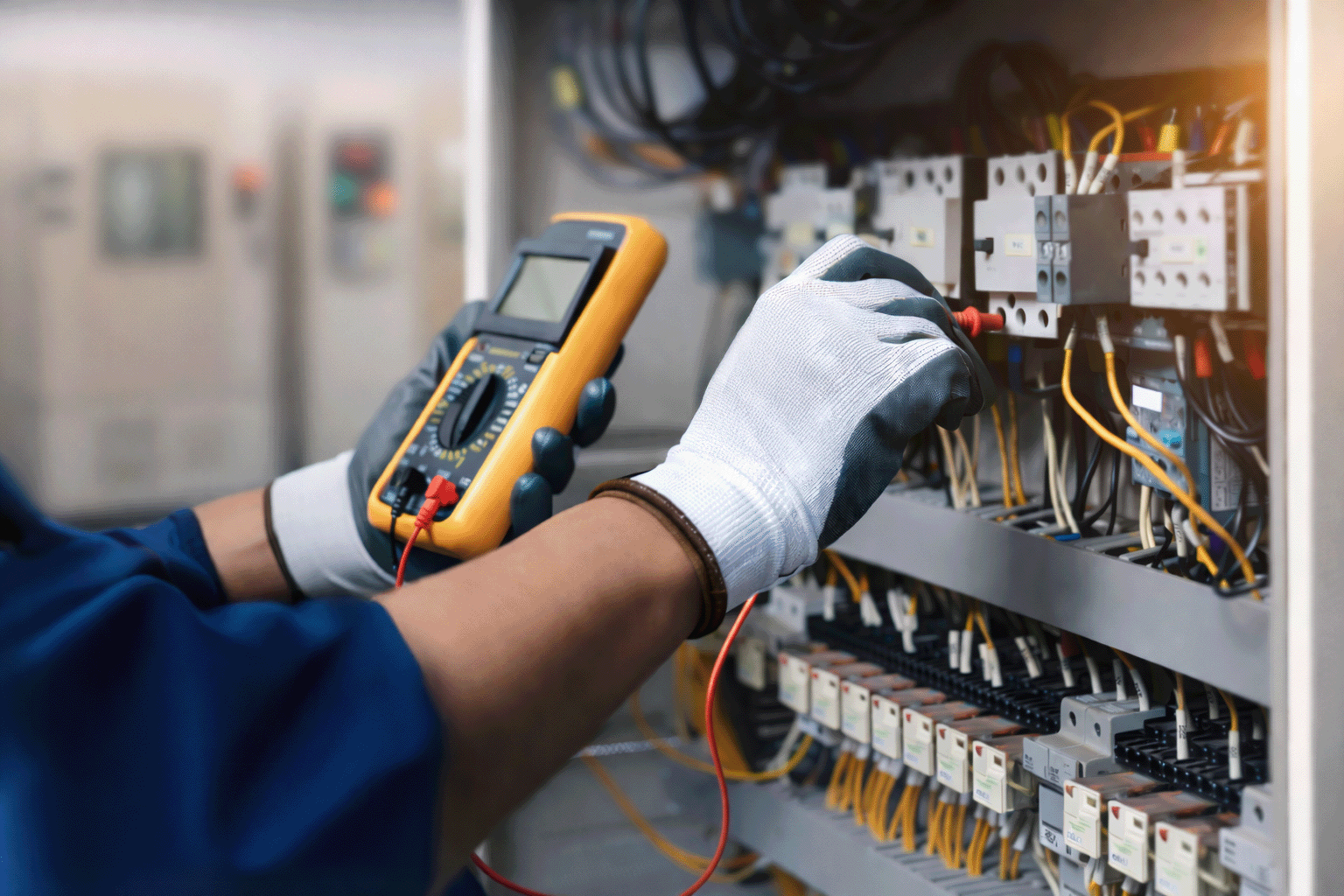
Accurate, traceable calibration is essential to producing reliable test results—and maintaining confidence in your environmental test chamber’s performance. Over time, even small deviations in temperature or humidity can impact the integrity of your testing, leading to inaccurate data, compliance issues, or costly retesting.
Stay ahead with routine calibration:
- Guarantee repeatable and dependable test outcomes.
- Identify and solve equipment drift before it leads to problems.
- Maximize your chamber's longevity through consistent performance verification.
- Secure your compliance with essential regulatory standards.
- Minimize interruptions and avoid unforeseen breakdowns with proactive checks.
Whether you're operating in automotive, battery, aerospace, or life sciences industries, calibration helps your product testing.
Ongoing support with AES
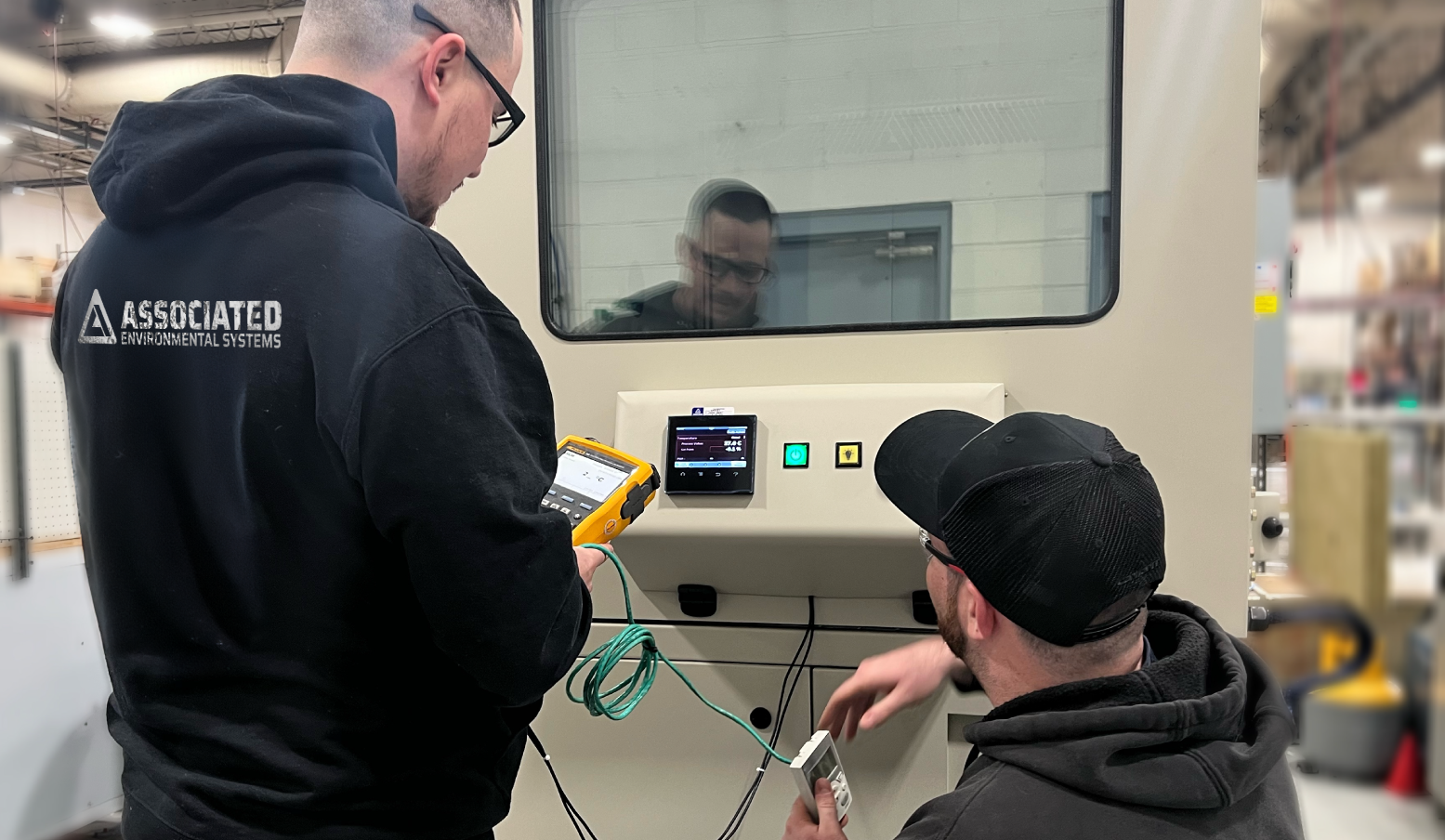
Calibration isn’t just something we do—it’s built into how we support you. AES conducts a full calibration before your chamber even leaves our factory, ensuring it’s ready for precise performance from day one.
From there, our dedicated inbound support team helps you stay ahead of schedule by sending calibration reminder emails when you're 60 days out. When you choose AES calibration services, you’re not only certifying accuracy—you’re also getting a preventive maintenance check to catch potential issues early and keep your chamber running smoothly.
This proactive approach enhances test accuracy, minimizes downtime, and contributes to the long-term reliability of your test chamber.
FREQUENTLY ASKED QUESTIONS
Have Question? We are here to help
What is the calibration process for an environmental chamber?
The calibration process for an environmental chamber involves placing certified reference sensors inside the chamber, running it at specific setpoints, and comparing the controller's readings against those references. If deviations exceed acceptable tolerances, the technician adjusts the system and documents the results in a calibration certificate.
What is a TUV 61010-1 Certification?
A TUV 61010-1 certification covers safety standards for electrical equipment used in measurement, control, and laboratory settings. AES holds the largest number of TUV-certified chambers meeting the UL 61010-1 standard in the industry.
Can AES calibrate chambers from other manufacturers?
Yes, AES calibrates environmental test chambers from all manufacturers. Our accredited services cover controller calibration, uniformity testing, and humidity verification for both reach-in and walk-in chambers.
What are the benefits of calibrating your testing chamber?
The benefits of calibrating your testing chamber include protecting data integrity, satisfying audit requirements, and catching equipment issues before they cause unplanned downtime. Routine calibration also reduces the risk of invalid test results that could lead to costly retesting.
Does purchasing a test chamber with AES include calibration?
Yes, purchasing a test chamber with AES includes a full calibration before the chamber leaves the factory floor. AES continues to provide calibration support throughout the lifetime of your chamber.
Can my test chambers be calibrated at my lab?
Yes, your test chambers can be calibrated at your lab. AES technicians perform on-site calibration for all chamber types, including walk-in configurations, to help you avoid shipping delays and minimize downtime.
What is the difference between calibration and validation?
The difference between calibration and validation is scope. Calibration verifies that a chamber's sensors read accurately against traceable standards, while validation confirms that the entire system — chamber, controller, and test procedure — meets your specific process requirements.