<img height="1" width="1" style="display:none" src="https://www.facebook.com/tr?id=235002737667895&amp;ev=PageView&amp;noscript=1">
Menu

Stability Chambers 

AES TYPES OF STABILITY CHAMBERS

AES offers the following series of stability test chambers:
LH 15 Per rev1-1

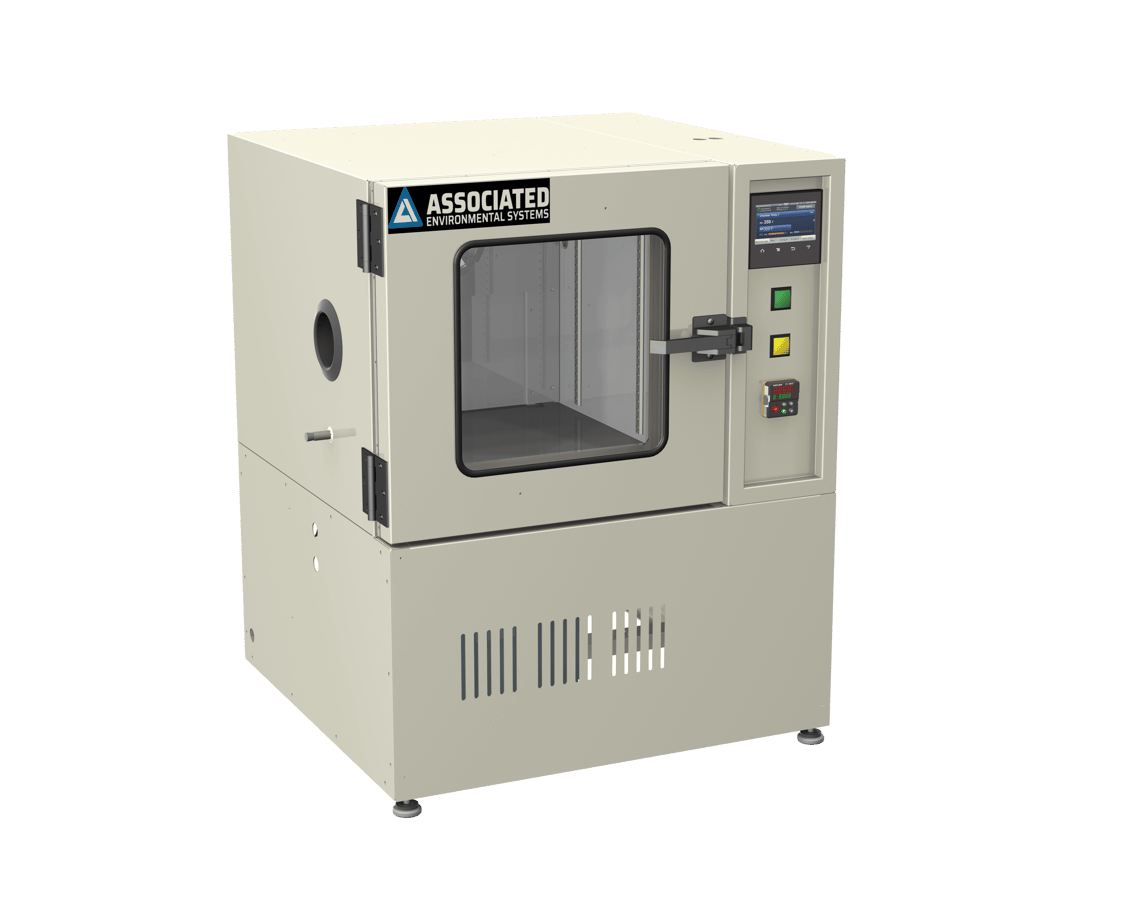
LH SERIES

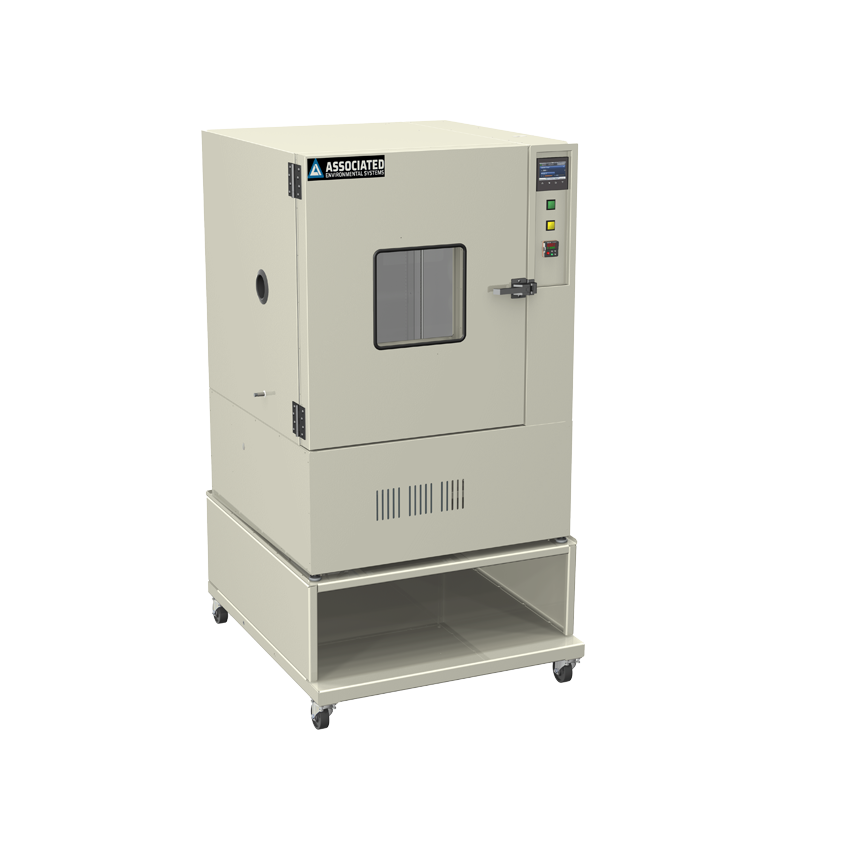
The LH Series are compact chambers ideal for small-scale, steady state testing.

Temperature Range: -20°C to +95°C (-4°F to +201.2°F)

Humidity Range: 10% to 95% (98% with added options)

Available Volumes: 1.37, 5 and 10 cu ft.
Start here
LH-36-1

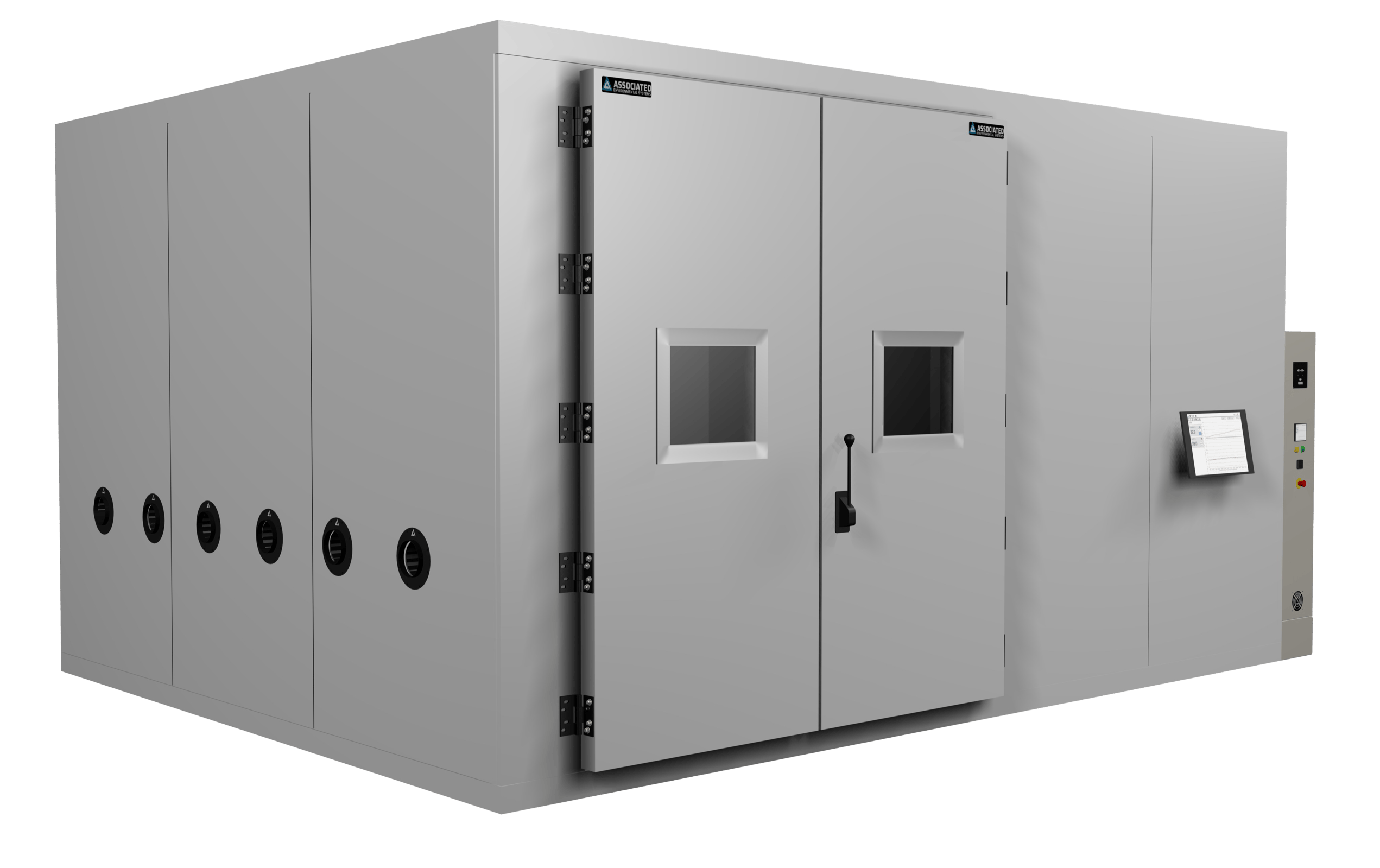
HM-436

The HM-436 is a large-volume chambers ideal for steady-state temperature and humidity testing at scale.

Temperature Range: 23°C to 25°C (73.4°F to 77°F)

Humidity Range: 35% RH steady state with load

Available Volume: 34.62 cu ft.

Discover now

Consistent Conditions Over Time

Stability Test Chambers

Stability test chambers are built for applications that demand precise, long-term environmental control. From pharmaceuticals and medical devices to cosmetics and consumer products, these chambers maintain tightly regulated temperature and humidity conditions to evaluate shelf life, packaging integrity, and regulatory compliance.

Engineered for accuracy and uniformity, AES stability chambers deliver reliable performance over extended testing periods. Whether you're conducting ICH guideline-compliant pharmaceutical studies or monitoring product degradation over time, our chambers provide the consistency your testing requires. Backed by decades of proven engineering, AES chambers support critical R&D, quality assurance, and compliance testing without compromise.
EXPLORE AES TEST CHAMBER SOLUTIONS 

Environmental Chambers Engineered for Long-Term Precision

AES manufactures stability chambers designed for consistent temperature and humidity control over extended testing periods. From compact reach-in units to large-scale configurations, our chambers support pharmaceutical, consumer product, and industrial stability applications.

  • Stable, steady-state performance – Designed for long-term testing with tightly controlled temperature stability, typically within ±0.5°C.
  • Humidity control you can trust – Maintain consistent relative humidity across extended test durations, with standard ranges up to 95% RH and options to expand.
  • Built for reliability – Systems engineered for continuous operation to support long-term and accelerated stability studies.
  • Flexible configurations – Available in multiple sizes and layouts to support a range of testing volumes and lab environments.
  • Nationwide service and support – Field technicians across the U.S. provide preventative maintenance, calibration, and chamber service for both AES and non-AES equipment, with free remote troubleshooting for AES chambers.

Industries That Rely on Stability Test Chambers

Stability chambers play a vital role in product development, regulatory compliance, and long-term performance testing across a wide range of industries. These chambers provide precise control over temperature and humidity to simulate real-world storage and use conditions—helping manufacturers ensure consistency, safety, and reliability over time.

Explore how stability testing supports critical industries:

  • Pharmaceuticals: Conduct ICH stability testing to ensure product integrity, potency, and shelf life under tightly controlled conditions.

  • Medical Devices: Validate the performance and durability of medical devices in various environmental conditions, from packaging to real-world storage.

  • Consumer Goods: Assess packaging durability, product stability, and shelf life in fluctuating temperature and humidity environments including cosmetics, personal care items and everyday items. 

  • Biotech & Life Sciences: Maintain consistent environmental conditions for sensitive materials and ensure compliance with global regulatory standards.

Behind every AES Chamber is a story of innovation, precision, and reliability. Ourproduct spotlights highlight real-world applications where our chambers help push products forward whether it’s enhancing safety, increasing capacity, or supporting groundbreaking research.

See how AES partners with industry leaders to solve complex testing challenges and deliver dependable results.

Stability Test Chamber

  • Humidity Chamber
  • Stability Test Chamber
  • Medical Device Application
Read Now

Stability Test Chamber Systems

  • Temperature Control

    Designed for steady-state performance, AES stability chambers maintain consistent temperatures over long durations with tight control, typically within ±0.5°C, ensuring reliable testing conditions for sensitive products.

  • Air Circulation

    Engineered airflow systems with optimized fan and baffle design ensure uniform temperature and humidity distribution, minimizing variation across all samples

  • Cooling System

    Self-contained mechanical refrigeration systems are designed for continuous operation, supporting stable environmental conditions without fluctuation during long-term testing.

  • Humidity System

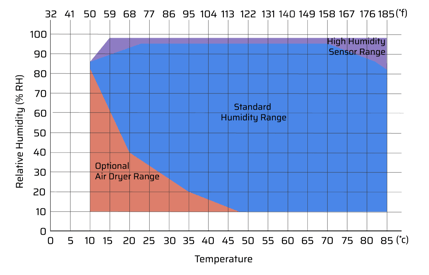
    AES uses vapor generator systems to give you precise control over the humidity conditions of your chambers’ internal workspaces. The vapor generator system is a closed stainless steel or copper tube. An element heats a constant water source creating vapor or steam that travels through the tube and mixes with conditioned air in a plenum before moving into the workspace. Notably, this water source must be treated and demineralized to avoid contaminating the test area.

  • Optional Features to Increase Humidity Range

    High Humidity Sensors let you measure humidity as high as 98% RH.

    Dry Air Purge Through Desiccant Air Dryers can achieve humidity as low as 5% RH. It compresses air through a desiccant system, absorbing the moisture before it moves into the workspace.

    Dry Nitrogen Purges prevent condensation and frost from accumulating on DUT surfaces at colder temperatures by forcing out the moisture-heavy air. This also prevents the oxidation of metals at high temperatures.

    Recirculating Desiccant Air Dryers are a more feasible option for larger chambers. Air is circulated through a desiccant system and then returned to the chamber, often cycled through a honeycomb wheel that releases captured moisture into the external workspace.

    Associated Environmental Systems has developed a Dew Point Calculator to help you determine whether you'll need optional features for your humidity systems.


2024 RH Chart Standard-1


REMOTE MONITORING WITH AESONE CONNECT®

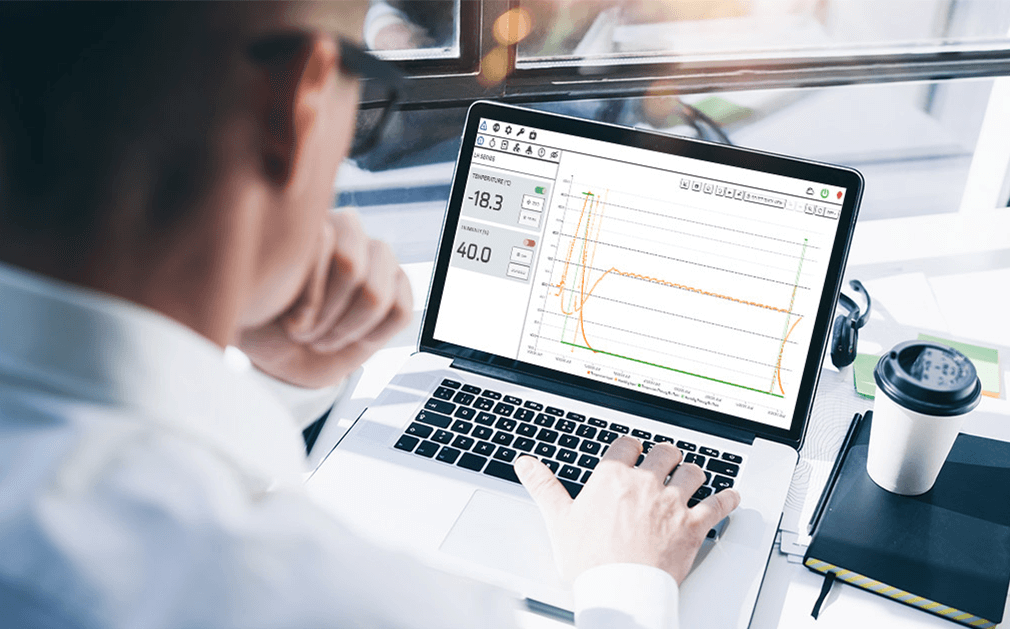
AES temperature chambers come standard with AESONE CONNECT®. Monitor and control your tests from anywhere with web browser access.

  • Real-time control – view live data, create test profiles, and adjust parameters remotely
  • Visual analytics – intuitive plotlines, graphs, and historical data tracking on any device
  • Multi-user management – administrator controls for authentication, permissions, and access expiration
  • Retrofit Capability- Add AESONE Technology to nearly any existing chamber in your facility.
AESONE CONSOLE

Frequently Asked Questions

Have Question? We are here to help

What is a stability test chamber used for?

A stability test chamber is used to maintain controlled temperature and humidity conditions over extended periods to evaluate product shelf life, material degradation, and packaging performance. These chambers are critical for long-term and accelerated stability testing across regulated industries.

What industries require stability test chambers?

Stability chambers are widely used in pharmaceuticals, biotechnology, medical devices, cosmetics, and consumer products. They are essential for ensuring regulatory compliance, product safety, and performance validation.

Why is uniformity important in stability testing?

Uniformity ensures that all samples within the chamber experience the same environmental conditions. Poor uniformity can lead to inconsistent results and failed validation, especially in regulated testing environments.

What is stability testing used for?

Stability testing is used to determine how a product performs over time when exposed to specific environmental conditions. This includes evaluating shelf life, material degradation, packaging integrity, and overall product reliability under controlled temperature and humidity.

What temperature and humidity ranges are used in stability testing?

Typical stability testing conditions vary depending on the application, but commonly include temperatures ranging from 20°C to 40°C and humidity levels from 40% to 75% RH. More specialized testing may require extended ranges or tightly controlled steady-state conditions.

Ready to get started?
Reach out now by phone, chat, or form submission. Our team is ready to help you!